
 Send Email
- Home Page
- Company Profile
-
Our Products
- Organic Fertilizer
- Tulsi Garden mix plus
- TULSI GARDEN MIX PLUS
- Tulsi Green Planet Compost Manure
- Tulsi Garden Mixture
- Tulsi Shine Organic Manure
- Bone Meal
- Tulsi Worm Power Vermicompost
- Tulsi Super Power ++
- Organic Fertilizers
- Farm Yard Compost
- Earthworm Eisenia Fetida
- Tulsi Gold Organic Manure
- Tulsi Rose Care
- Root Ready Mix For Pot Filling
- Tulsi Super Power Bio Granule
- Develi Khod
- Tulsi Flower Punch Liquid
- Organic Manure
- EPSOM Salt
- Coco Peat Chips
- Potting Mix Soil
- Expanded Perlite Powder
- Vermiculite Coarse
- Farmyard Compost
- City Compost
- Perlite
- Organic Fertilizer
- Contact Us

 Send Inquiry
Cocopeat Brick
Price 130 INR/ Piece
MOQ : 500 Pieces
Cocopeat Brick Specification
- Product Type
- Coir Block
- Material
- Coconut Fiber
- Attributes
- Pest Resistant, Eco-Friendly
- Shape
- Square
- Color
- Dark Brown
- Moisture (%)
- 10 to 15%
- Impurity (%)
- < 3%.
- Usage
- Other
- Feature
- Completely organic and sustainable, Consistent and odor-free composition, Excellent drainage and aeration properties.
Cocopeat Brick Trade Information
- Minimum Order Quantity
- 500 Pieces
- FOB Port
- Ahmedabad
- Supply Ability
- 500 Pieces Per Day
- Delivery Time
- 1 Week
- Sample Available
- Yes
- Sample Policy
- Within a certain price range free samples are available
- Main Domestic Market
- All India
About Cocopeat Brick
Cocopeat Brick is a natural fibre derived from coconut husks. The extraction of coconut fibre from husks yields this byproduct known as cocopeat. When used alone or as a component in the soil, it improves water retention, aeration, and antifungal properties. Cocopeat is a completely natural growth medium. Cocopeat Brick is processed into various commodities such as cocopeat blocks, cocopeat briquettes, cocopeat discs, and so on. This is a fantastic hydroponics or container plant growth media. This has natural rooting hormones as well as antifungal qualities.
Specification
|
Packaging Type |
HDPE Bag |
|
Packaging Size |
25 Kg |
|
Usage/Application |
Horticulture |
|
Shape |
Rectangular |
|
Brand |
Tulsi |
|
Moisture Content |
10 to 15% |
|
Color |
Brown |
Optimal Moisture Retention and Drainage
The Cocopeat Brick is engineered to balance moisture retention and drainage, promoting robust root systems for plants. Its consistent dark brown color and impurity level of under 3% guarantee quality. Whether you are cultivating in a garden, greenhouse, or urban setup, this brick ensures plants receive adequate air and water, strengthening overall plant health.
Organic and Sustainable Gardening Solution
Made entirely from coconut fiber, Cocopeat Brick is biodegradable and eco-friendly, supporting sustainable agricultural practices. Its odor-free and pest-resistant attributes make it a clean and safe choice for home gardeners and commercial growers who wish to minimize environmental impact without compromising on performance.
FAQ's of Cocopeat Brick:
Q: How should I use Cocopeat Brick for planting?
A: To use the Cocopeat Brick, simply soak it in water for several hours. The brick will expand, transforming into a fluffy, soil-like material. Mix it directly into your pots, planters, or garden beds for superior moisture management and aeration.Q: What benefits does the Cocopeat Brick provide over traditional soil?
A: Compared to regular soil, Cocopeat Brick offers consistent and odor-free composition, enhanced drainage, and excellent aeration properties, which boost root development and reduce the risk of rot. It is also pest resistant and eco-friendly, ensuring healthier plants and a safer environment.Q: When is the best time to incorporate Cocopeat Brick into a growing medium?
A: You can add Cocopeat Brick to your growing medium at any planting stage-during seeding, transplanting, or ongoing plant care. Its structure supports both young and established roots, making it versatile throughout the plant life cycle.Q: Where is Cocopeat Brick most suitable for use?
A: Cocopeat Brick can be used in gardens, greenhouses, rooftop planters, and even hydroponic systems. Its adaptability makes it ideal for both indoor and outdoor applications, especially where sustainable and clean substrates are required.Q: What is the process for manufacturing the Cocopeat Brick?
A: The manufacturing process involves collecting coconut husk fiber, cleaning it to remove impurities (ensuring less than 3%), compressing it into a square-shaped brick, and ensuring a moisture content of 10-15%, resulting in a consistent and high-quality product.Q: Does Cocopeat Brick have any odor or harmful chemicals?
A: No, the Cocopeat Brick is completely organic, odor-free, and free from harmful chemicals, making it safe for handling and ideal for sensitive plant species and organic gardening practices.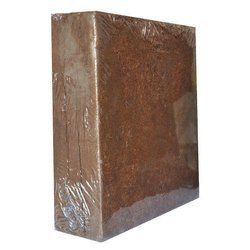
Tell us about your requirement

Price:
Quantity
Select Unit
- 50
- 100
- 200
- 250
- 500
- 1000+
Additional detail
Mobile number
Email

More Products in Coco Peat Chips Category
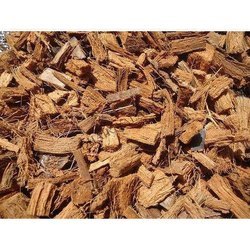
Coco Peat Chips
Price 50 INR / Ton
Minimum Order Quantity : 500 Kilograms, ,
Usage : Other
Moisture (%) : 15
Material : Coconut Fiber
Attributes : EcoFriendly
Coco Peat
Price 150 INR / Piece
Minimum Order Quantity : 100 Pieces
Usage : Other
Moisture (%) : 15
Material : Coconut Fiber
Attributes : Pest Resistant

"We are accepting only bulk Order quantity."
"We are dealing Gujarat, Madhya Pradesh, Maharashtra, Rajasthan only."
"We are dealing Gujarat, Madhya Pradesh, Maharashtra, Rajasthan only."
Contact Details

- 101/2, Krishna Complex, Behind Ambica Chambers, Near Old Gujarat High Court, Ashram Road,Ahmedabad - 380014, Gujarat, India
- Phone : 07971459824
- Send Inquiry
RACHANA GUILD PVT. LTD.
GST : 24AAACR5480J1ZA
 Send Inquiry
- Mr Jignesh Bhavsar (Managing Director)
- Mobile : 07971459824
|
 Send Inquiry
 Send SMS
 Call Me Free

RACHANA GUILD PVT. LTD.
All Rights Reserved.(Terms of Use)
Developed and Managed by Infocom Network Private Limited.
Developed and Managed by Infocom Network Private Limited.


